Authors: Paris Mazzachi, Ella McDonald, Zarina Greenberg, Alejandra Noreña Puerta, Jenne Tran, Manam Inushi De Silva, Cade Christensen, Robert Adams, Sebastian Loskarn, Helen Beard, Michael Zabolocki, Meera Elmasri, Megan Maack, Kristina L. Elvidge, Mark R. Hutchinson, Cara O’Neill, Kim M. Hemsley, Lisa Melton, Nicholas Smith, and Cedric Bardy
Nature Communications, 07 April 2026
Maestro MEA recordings reveal altered neuronal network activity in a human model of Sanfilippo syndrome type A childhood dementia.
Sanfilippo syndrome type A (MPS IIIA) is a rare pediatric neurodegenerative disorder and one of the leading causes of childhood dementia. Patients experience progressive cognitive decline, behavioral dysfunction, and severe neurological impairment, yet the mechanisms driving neuronal network dysfunction remain poorly understood. In this study, researchers investigated how MPS IIIA alters synaptic excitation and inhibition in human neuronal models to better understand how the disease disrupts brain function at the network level.
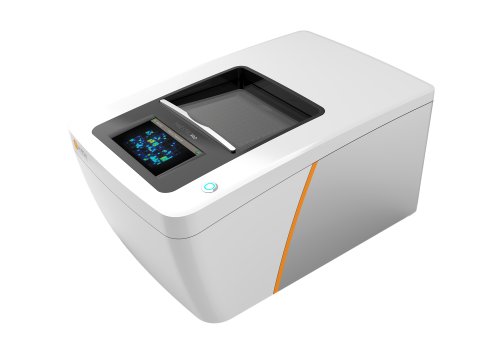
Using Axion Biosystems’ Maestro MEA platform, the team performed electrophysiological recordings to characterize neuronal activity in MPS IIIA cultures. While individual firing rate and bursting behavior were largely comparable to control neurons, the researchers observed pronounced differences in network-level activity. MPS IIIA neurons exhibited elevated network synchronization and hyperactive network behavior, suggesting that disease-associated dysfunction emerges primarily through altered circuit organization rather than changes in intrinsic neuronal excitability.
These findings provide new insight into how synaptic imbalance and network dysregulation contribute to neurodegeneration in childhood dementia. The work also highlights the value of MEA-based functional assays for uncovering subtle but disease-relevant changes in neuronal communication that may not be captured through conventional single-cell measurements.