Authors: Luca Grisetti, Clarissa J. C. Garcia, Paola Tarchi, Claudio Tiribelli, and Devis Pascut
Frontiers in Immunology, 30 April 2026
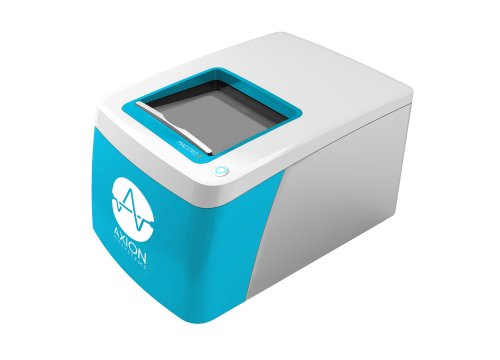
Axion BioSystems’ Maestro Z platform enables real-time analysis of PBMC-induced cytotoxicity and tumor cell viability in hepatocellular carcinoma models.
Programmed death-ligand 1 (PD-L1) plays a central role in tumor immune evasion and remains a major target in cancer immunotherapy, but its functional contribution to hepatocellular carcinoma (HCC) progression and immune response remains incompletely understood. In this study, researchers investigated how PD-L1 expression influences immune-mediated cytotoxicity in HCC models, with a focus on interactions between tumor cells and peripheral blood mononuclear cells (PBMCs).
Using Axion Biosystems’ Maestro Z platform, the team monitored real-time cell viability and PBMC-induced cytotoxicity in HCC cultures. The researchers observed clear time- and dose-dependent immune killing responses, with JHH6 cells showing high sensitivity to PBMC-mediated cytotoxicity, while HuH7 cells exhibited markedly delayed killing kinetics. These measurements enabled continuous, label-free assessment of tumor cell responses during immune challenge.
The study highlights the value of impedance-based functional assays for characterizing immune–tumor interactions and evaluating dynamic cytotoxic responses in cancer models. Together, these findings provide additional insight into PD-L1-associated immune regulation in hepatocellular carcinoma and support the use of real-time viability platforms for immuno-oncology research.